
Pottery Figurines of Ancient Cuqiu Team in Mexico
These pottery figurines belong to a pre-Columbian culture, an ancient artifact of Michoacán in western Mexico. These terracotta figures are usually depictions of participants in the Mesoamerican game of kickball or related sacrificial activities. In ancient Central America, this kind of ball game was not only a sport, but also a ritual with profound religious and cosmological significance, sometimes even related to life and death.

Pre-Columbian terracotta figures
This item is a terracotta figurine of pre-Columbian West Mexico, commonly known as Pretty Lady or Michoacan style figurines. It originated in the Michoacán region of present-day western Mexico and dates back to the Late Preclassical period, between about 550 BC and 100 BC. These terracotta figures are mostly female figures, often with exaggerated feminine features as their main manifestations, such as plump breasts, possibly reflecting a cult of fertility and motherhood.
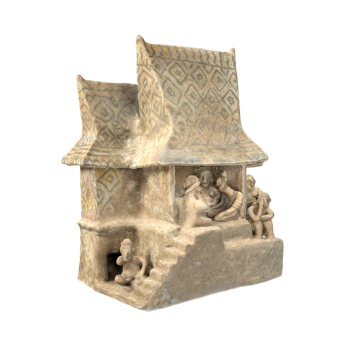
Model of the Sacrificial Banquet House (Nayarit region)
This is the "sacrificial banquet house model" of the Nayarit culture. The model comes from the Nayarit region of western Mexico in ancient Central America and belongs to the Eastlandel Rio culture. It was made between 100 BC and 300 AD. The model is made of terracotta with residual pigments. The figures are stylized, showing scenes of people sitting or standing under the eaves for social activities, possibly preparing food or performing rituals. The original sculpture is in the Museum of the Art Institute of Chicago.

Maya style pottery engraved with golfers
This is a Maya style pottery from Yucatan, Mexico, made around 600-1000 AD. The diameter of this pottery is 18.1 x 15.6 centimeters, and the overall height is 18 centimeters. This pottery depicts the image of a Maya player wearing heavy protective gear to prevent injury during the game. This pottery is currently housed in the Cleveland Museum of Art.

Moxijia Fire Snake Stone Carving
This sculpture showcases all the features of the fire snake Xiuhcoatl, blending reality and mythical creatures, including its snake head, short legs, claws, and curved nose. The end of the tail of the fire snake is composed of the traditional Mexican year symbol (xihuitl): a triangle resembling a sun ray symbol and two intertwined trapezoids. This work may be used to decorate buildings. According to Mexican antique collector Guillermo Dupex, it comes from Texcoco, a city on the east coast of Lake Mexico where the Mexican capital of Tenochtitlan was founded. This sculpture is currently located at the British Museum

The bronze statue of the Casagrande civilization, 'Pachime Rattlesnake Turtle'
The name of the cultural relic is Pachime Rattlesnake Turtle, which is made of copper and was made in Pachime, Chihuahua, Mexico. This place is the political center of the Casagrande civilization, which is one of the most prominent and complex cultures in northern Mexico and southwestern United States. The production period of this cultural relic was around 1200 AD. This period was the peak of the Casagrande culture, which had a widespread influence in northern Mexico and southwestern United States. The statue is made by the lost wax method, which requires the destruction of the mold, so there are no two identical works. The statue is now part of the collection of the National Museum of Anthropology in Mexico.
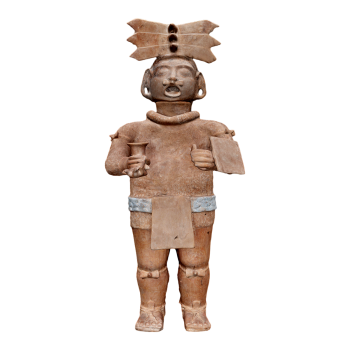
Xipe T ó tec Mexican Cultural Sculpture
This ceramic sculpture represents the god Xipe T ó tec ("Our Master, the Skinned Man"). It was discovered by Swedish archaeologists in 1932. This sculpture is currently housed in the Teotihuacan exhibition hall of the National Museum of Anthropology (MNA) in Mexico. Xipe T ó tec is a god of life, death, and resurrection in Mexican culture, as well as a god of agriculture, plants, the East, disease, and goldsmiths. This sculpture has two different human bodies: a complete human body below, and on top of it is the skin and some tissues of a victim.

Colorful ceremonial tray from the lobby of Tomb No. 2 in the state of Oaxaca, southern Mexico
This is a cultural relic located at the National Museum of Anthropology in Mexico. This artwork is a colorful ceremonial plate from the front chamber of the second tomb in Zaachila, Oaxaca state. This type of ceremonial plate is usually used in special ceremonies or celebrations, and may be used to worship deities or ancestors, or as a symbolic gift.

Popular Models

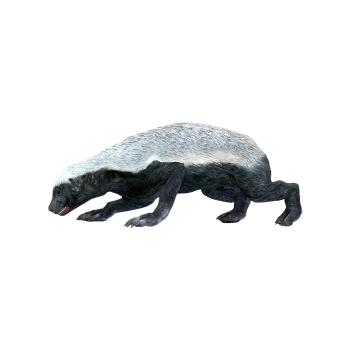
Honey Badger (3D animated model)
194 View
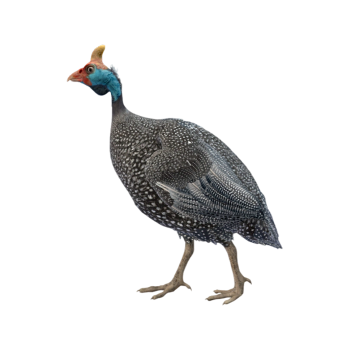
Guinea fowl (3D animated model)
165 View

Wild Goose (3D animated model)
187 View
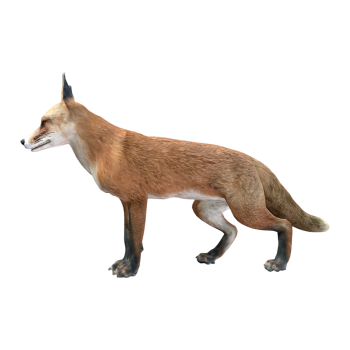
Red Fox (3D animated model)
155 View
Random Model

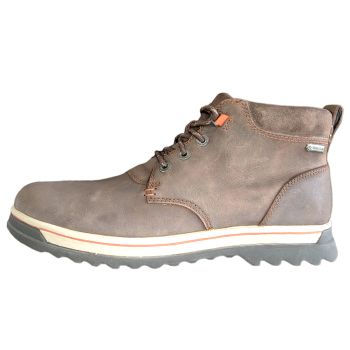
Clarks Ripwayhill Snow Booties
577 View

Sitting Girl Stone Carving
751 View
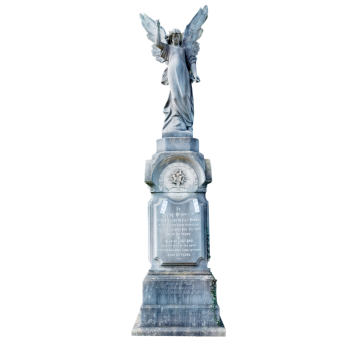
Arnos Valley Cemetery-Angel Statue
284 View

Gore-Tex leather used work boots
1045 View

Adidas lime green sneaker
615 View

40's Vintage Art Deco Chandelier
339 View
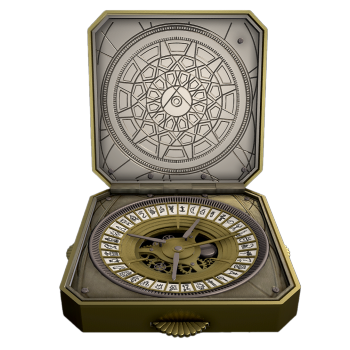
Medieval Distance Measuring Compass
883 View

Antimony ore
785 View